- Are we living in biblical times?
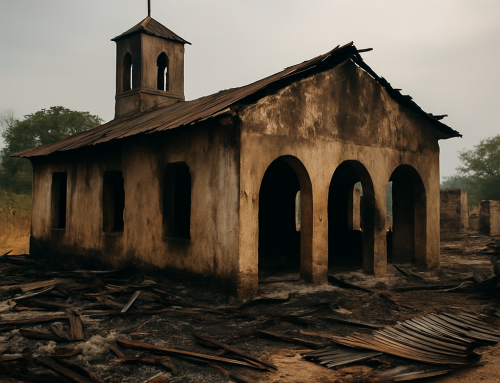
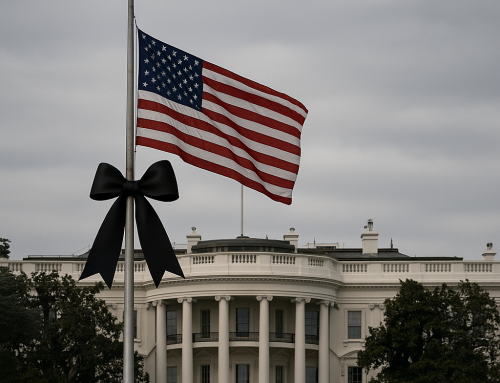
In recent years, the world seems to have lost stability. Wars that go on without solution, escalating international tensions, economic crises, forced migration, cyclones , earthquakes , pandemics and a general climate of uncertainty are deeply marking the lives of millions of people.
The daily news speaks of armed conflicts, political instability and economic fragility. What is striking is not only the quantity of the crises, but their simultaneity and globality. No area of the planet seems truly safe. This context generates fear, bewilderment and a growing feeling of helplessness. Many sense that something profound is changing in the world order. One hears already for decades about a “New World Order” that will change every aspect and balance of the world, one sees in every environment of society one observes rampant selfishness, moral decadence and lack of self-control , lack of the basic ethical values: honesty , respect, responsibility, justice , solidarity , empathy. But most serious is cha and human life is not considered sacred or inviolable, so killing becomes justifiable , exploitation becomes normal and discarding the weakest seems acceptable.
Without any doubt these are difficult times, where in the midst of wars , disasters , instability, injustice, prevarication and much violence , the world seeks peace. The news of these days also clearly states: the world is looking for peace, but does not know where to find it. At the World Economic Forum in Davos, a new international initiative called the “Board of Peace” was announced and unveiled, promoted by the United States, with the stated intention of fostering conflict resolution and post-conflict reconstruction.
But just as there is talk of “boards,” “plans,” “charters,” and “quotas,” divisions and skepticism are emerging: for example, Italy (according to Reuters and Corriere della Sera) has reportedly decided not to participate for constitutional reasons and the form of the initiative. Other European leaders have also expressed reservations about the structure and relationship with the UN.
According to reports from various sources, the “Board of Peace” proposal also includes a membership mechanism that has sparked discussion, such as the idea of very high contributions for certain types of participation. I say this not out of political polemic (that is not our job), but to emphasize a simple point:
True peace does not come from budgets.
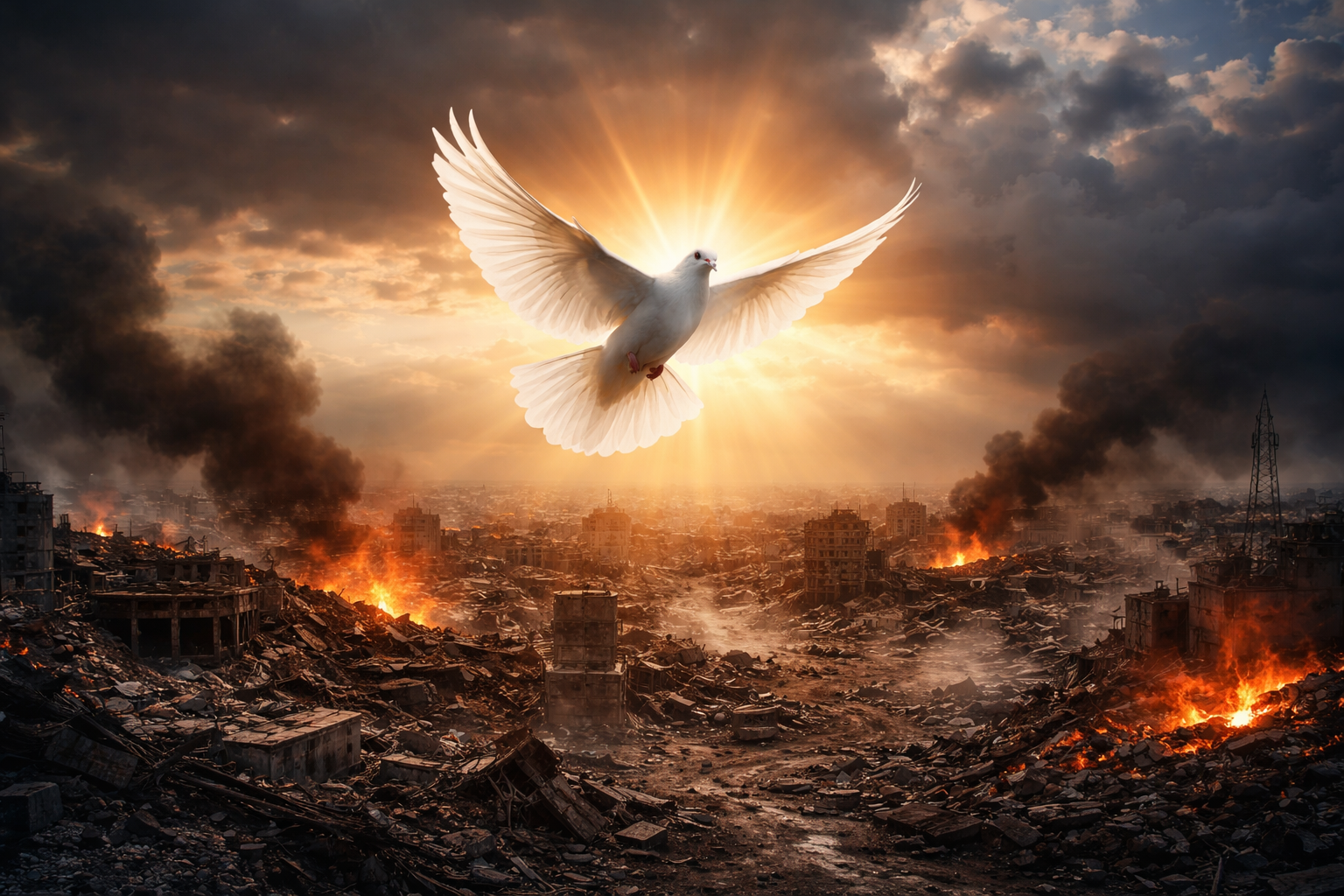
True peace is not just signed: it is built, and before that it is received from God.
In the face of this scenario, one question emerges forcefully even among believers: are we living in biblical times?
What the Bible says about difficult times
Scripture does not hide the reality of complex times. Jesus Himself warned His disciples:
“You will hear of wars and rumors of wars…there will be famines and earthquakes in various places” (Matthew 24:6-7)
These words were not spoken to fuel panic, but to prepare God’s people spiritually. The Bible presents crises as part of human history marked by sin, not as events beyond divine control.
It is important to clarify a fundamental point: the Bible calls for vigilance, not speculation.
Every generation has experienced wars and crises, and Scripture does not authorize us to set dates or interpret every event as the imminent end of the world. Jesus himself warns against being fooled by sensationalist interpretations.
The real sign of the times is not fear, but the spiritual condition of man.
What is the call of the believer today ?
In the face of wars and instability, the believer is called to a different response than the world:
– Stand firm in faith, remembering that God remains sovereign over history
– Pray for peace and for those who govern, even in difficult contexts
– Witness hope, not despair
– Living the Gospel concretely, helping those who suffer
Scripture does not call us to flee from the world, but to be light in darkness.
The Bible does not end with chaos, but with a promise. Crises do not have the last word. Christian hope is not based on geopolitical stability, but on God’s faithfulness. In a shaking world, the gospel message remains unchanged:
Christ is our peace, today and for eternity. Finally we feel like giving some advice for the believer these days . if you are a believer :
– Get informed, but don’t feed only on news
– Cultivate prayer more than fear
– Talk about hope, not just crisis
– Remember that your citizenship is in the heavens
Then the question comes back, stronger than before:
is world peace really just a matter of agreements-or is it also a matter of the heart?
This is what the Bible teaches us:
Daniel 9: the biblical road to peace
When Daniel saw his people in crisis, he did not begin with a military or diplomatic strategy. He began with a prayer that sounds like a message for our time today:
– Daniel confesses sin (does not accuse others)
– Daniel humbles himself
– Daniel asks God for mercy and intervention
Daniel 9 is, first of all, a chapter of repentance.
And then comes hope: in the revelation of Daniel 9 it speaks of God’s plan leading to something ultimate: a justice that endures (Daniel 9:24). Where God’s justice arrives, there true peace is born as well. Not a fragile truce, but a peace based on the Kingdom of God.
The “great peace” is not a human project: it is a Person
The world announces, “We will give you peace.”
Christ says, “I give you my peace.”
World peace is often just the absence of war for a time.
The peace of Christ is reconciliation with God, forgiveness, new life, hope that does not die.
And this is the point: if the heart of man remains far from God, even the most solemn agreements will remain fragile. But when a man, a woman, a people bends before the Lord, something is born that no crisis can extinguish.
Friend, sister, brother — maybe you look at the world and feel helpless. Maybe you are afraid. Maybe you are tired of news that changes every day.
Today God’s Word invites you to do what Daniel did: return to God.
Don’t wait for the world to become safe to believe.
Don’t put it off. Open your heart to Christ.
There is hope for those who repent.
There is forgiveness for those who return to the Lord.
And there is a joy that does not end: the eternal joy promised by God to those who trust in Jesus.
If you want, pray like this, with simplicity:
“Lord Jesus, I need You.
Forgive me. Change my heart.
Put your peace within me.
I want to follow you. Amen.”
Francesco Pastone